14
Common Types of Ships and Their Applications
The global shipbuilding industry has developed many different types of ships, each serving specific purposes in transportation, tourism, defense, and various other sectors. This article introduces some of the most common types of ships and their practical applications, helping readers better understand the diversity and significance of the maritime industry.
Common Types of Ships
1. Merchant Ships (Cargo Ships)
Merchant ships are designed for cargo transportation. They include various types such as container ships, bulk carriers, and oil tankers. These ships play a vital role in maintaining global trade and ensuring the continuity of supply chains.

Applications:
Container Ships: Transport goods packed in containers, allowing efficient loading, unloading, and transfer across different transport modes.
Bulk Carriers: Transport unpackaged bulk materials such as stone, iron ore, and grain.
Oil Tankers: Carry crude oil and refined petroleum products.
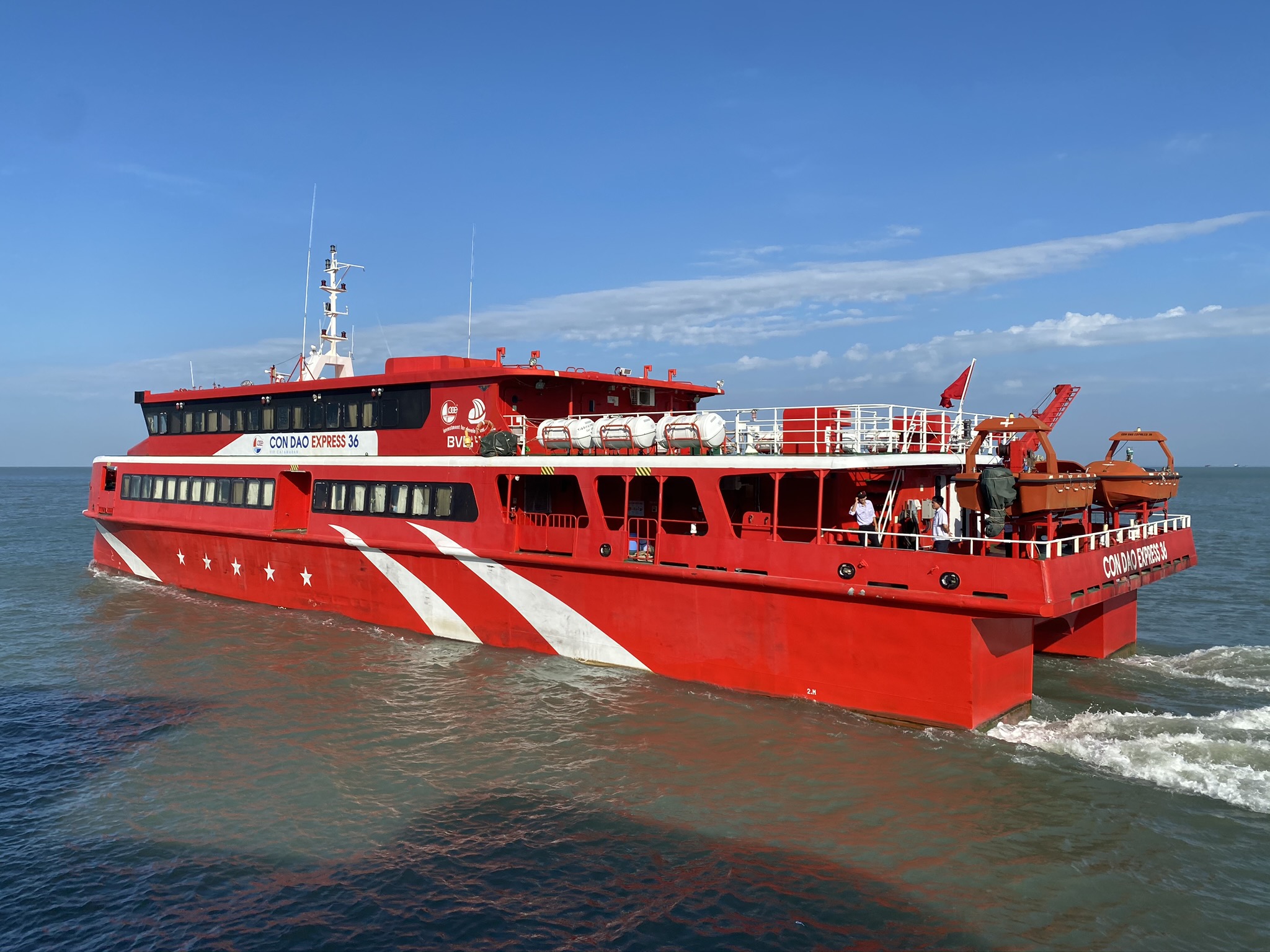
2. Passenger Ships
Passenger ships include cruise ships, ferries, and high-speed boats. They are designed to carry people over short or long distances while providing comfort and modern amenities.
Applications:
Cruise Ships: Offer leisure voyages with entertainment, accommodation, and dining services.
Ferries: Transport passengers and vehicles across short routes like rivers, lakes, or between islands.
Speedboats: Provide fast transportation over short or medium distances.
3. Military Ships
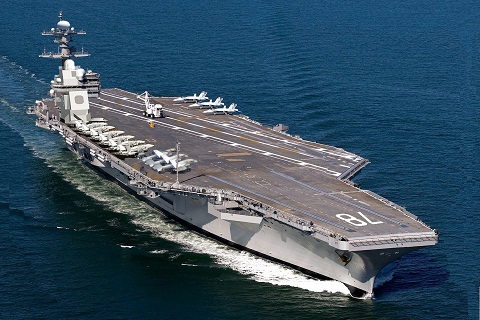
Military ships are built to serve national defense and security purposes. They include a wide range of warships, submarines, and support vessels.
Applications:
Warships: Equipped with advanced weapons and defense systems, used in combat and maritime security operations.
Submarines: Operate underwater for reconnaissance, surveillance, and strategic attack missions.
Support Ships: Provide logistical, medical, and technical support to naval forces during operations.
4. Specialized Ships
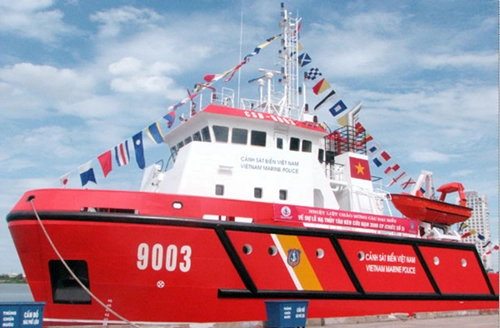
These ships are designed for specific tasks such as scientific research, rescue missions, and fishing operations.
Applications:
Rescue Ships: Conduct emergency search and rescue operations at sea.
Research Vessels: Equipped with scientific instruments for studying marine environments and conducting oceanographic research.
Fishing Vessels: Outfitted for harvesting and preserving seafood, supporting the fishing industry.
The Importance of Ship Types
Each type of ship plays an essential role in supporting the global economy, ensuring smooth transportation, maintaining national security, and advancing marine research. Ships not only move goods and passengers but also carry out critical missions that contribute to the exploration, protection, and sustainable use of marine resources.